Waste Management
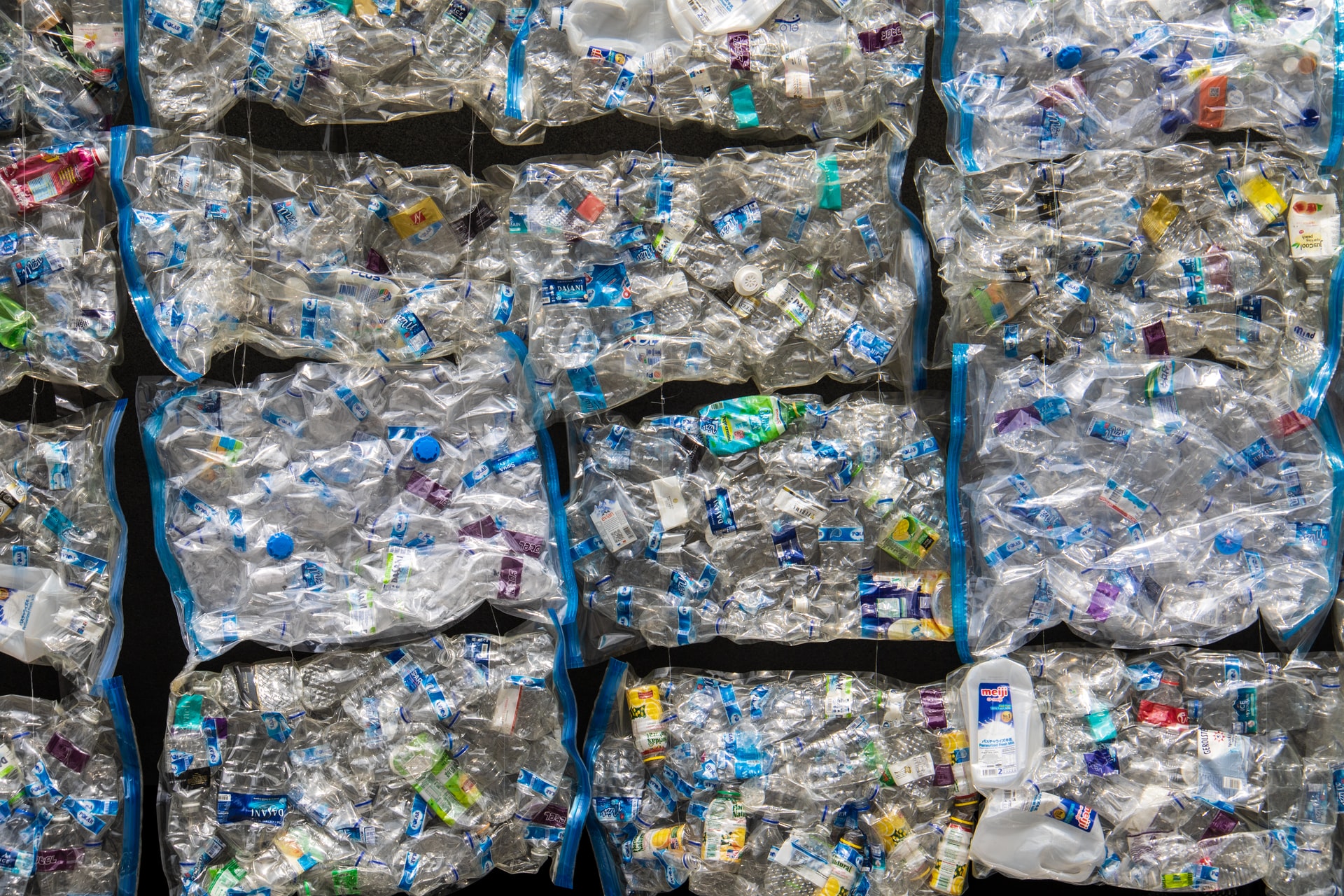
Waste management refers to the various schemes to manage and dispose of wastes. It can be by discarding, destroying, processing, recycling, reusing, or controlling wastes. The prime objective of waste management is to reduce the amount of unusable materials and to avert potential health and environmental hazards. Different activities include collection, monitoring, regulation, and disposal. Waste collection services are often provided for free by the local government. The collected wastes are disposed of by various methods, e.g. by landfill compaction and incineration. Solid wastes, most especially, are incinerated to reduce their volume by 80 to 95%, and to convert them into gas, steam, ash, and heat. However, air pollution is a concern when disposing of wastes by means of incineration.
The economic turbulence of the past five years undoubtedly prompted businesses big and small to tighten their belts and look for leaner ways of working, but the truth is that every business can benefit from a regular supply chain review. Commitment to continuous improvement yields even greater rewards. By building checks and efficiency reporting into the core of your business processes, you can: Eliminate waste and unnecessary rework. Establish ongoing cost savings. Ensure that no potential problem is overlooked for longer than it should be. Empower employees to take greater responsibility and ownership of their job..
How Do You Implement a Supply Chain Strategy?
To implement a supply chain strategy once you have undertaken the analysis will require:
- Once you have an awareness of the corporate strategy you can then undertake SWOT and STEEPLED analysis to identify micro and macro factors that may impact supply chain activities.
- Micro factor is internal to your organisation, for example you may have a shortage of specialised skill in your labour force and there is limited availability to gap this skill set within the recruitment market.
- Macro factor is external to your organisation, such as a global disruption that may impact your raw material supply.
- Building business cases: to gain investment for the areas requiring development. I.e. new systems or increase in staff numbers.
- Stakeholder buy in - to gain support for the roll out of the strategy, by ensuring existing members of staff within the team understand their objective whilst taking them on a journey of change management, also engagement with senior or peer stakeholders who can influence the strategy , as your business proposals may in turn impact their operating areas.
- Setting KPI’s: You can’t measure what you don’t know, identify your start point and then review on a regular basis to ensure you remain on target for change progression.
In order to meet the challenges of today’s digital economy, where customers want both products and services quickly and tailored to their unique specifications, your organization needs to fundamentally reimagine its business processes across the digital supply chain

The Benefits of Intelligent Supply Chain
The intelligent supply chain is an engine of growth through new customer experiences and a driver of profitability in challenging economic times.
- Materials Requirements Planning
- Inventory Planning and Control
- International Purchasing
- Quality Control
- Return of Goods
- Distribution Network Design
Why choose Tsoaela Industries?
We are able to work with you from conception through execution of your sourcing needs. We are able to work with clients to transform their organisations, heliping reduce spending costs, improve margin and drive value through effective sourcing.